
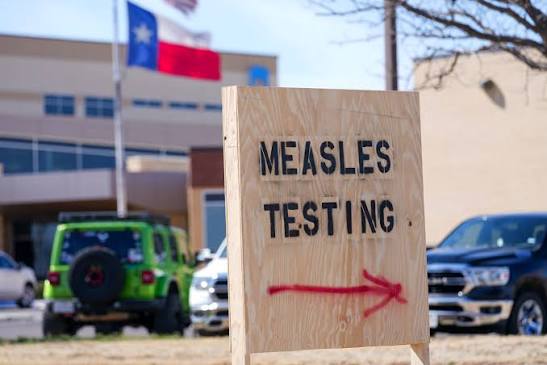
More than a year after a measles outbreak in West Texas killed two unvaccinated school-age children and became the state’s worst in nearly three decades, the state’s own data shows school vaccine exemption rates kept climbing rather than falling.
Texas Department of State Health Services figures released this summer show that just over 92% of Texas kindergarteners and 7th graders were fully vaccinated against required childhood diseases in the 2025-26 school year — a coverage rate that remains below pre-pandemic levels. The statewide measles vaccination rate for kindergarteners did tick up slightly, from 93.2% to 93.3%, but the rate of kindergarteners claiming a “conscientious exemption” from the vaccine grew even faster, rising by more than half a percentage point — the largest single-year jump in more than ten years of state records. The statewide kindergarten exemption rate now sits at 4.45%, roughly double what it was before the COVID-19 pandemic.
Becca Harkleroad, executive director of the Texas School Nurses Organization, has linked the trend to a broader erosion of public trust in vaccination that accelerated through the pandemic and hasn’t reversed. Texas is the largest state in the country that allows parents to opt children out of school-required vaccines for reasons of personal conscience, including religious belief, with no medical justification required.
The outbreak that preceded this data began in Gaines County in January 2025 and eventually grew to more than 750 confirmed cases before tapering off later that year — the largest single U.S. measles outbreak in nearly 30 years. State data identified Gaines County, ground zero for the outbreak, as having one of the highest school vaccine exemption rates in Texas, with close to 14% of K-12 children opting out of at least one required shot in the year before the outbreak began — a figure health officials say is likely understated because it doesn’t capture homeschooled children, who aren’t required to report vaccination status.
A 2019 University of Pittsburgh modeling study, revisited by researchers in light of the outbreak, had already warned that large Texas metro areas — not just rural counties — were vulnerable: the study found that outbreaks exceeding 400 cases were plausible in both the Austin-Round Rock and Dallas-Fort Worth metro areas under vaccination rates seen at the time, and that even a modest further decline in coverage could multiply the potential size of an outbreak many times over.
What it means locally: with exemption rates now higher than they were before the 2025 outbreak, and elementary and secondary schools statewide back in full session, pediatricians and school nurses are again urging parents to confirm their children’s MMR status early in the school year rather than waiting for signs of a new local cluster.
Sources: Texas Department of State Health Services, 2025-26 school vaccination coverage report; The Texas Tribune, July 2, 2026; Associated Press, February 2025 outbreak coverage; KERA/Texas Public Radio, University of Pittsburgh outbreak-modeling study coverage.